David D. Fan
I'm currently CTO at Field AI, where I lead the team building Field Foundation Models: autonomy that lets robots work in complex, industrial and messy real-world environments without maps, GPS or predefined paths.
I've spent my career building robots that leave the lab. Before Field AI, I was a research engineer at Navy NIWC Pacific and a research fellow at NASA Jet Propulsion Laboratory. At JPL I was co-PI and chief engineer for the team on DARPA's RACER program (IEEE Spectrum), and a technical lead on Team CoSTAR in DARPA's Subterranean Challenge, where we won Phase II.
Before JPL, I did my PhD at Georgia Tech with Evangelos Theodorou in the Autonomous Control and Decision Systems Laboratory, co-advised by Ali Agha.
Outside of work, I like to travel, cook, hike and scuba dive.
Work
Field AI
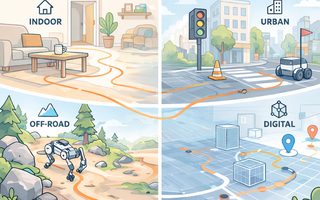
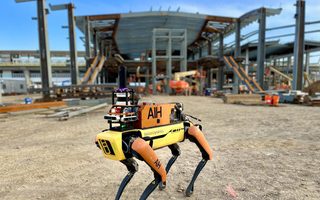
As CTO, I lead the team building Field Foundation Models, a new kind of AI brain that gives robots real-world risk awareness. It runs across many kinds of robots and is already at work on industrial sites around the world. We're hiring.
Fast driving, off the road
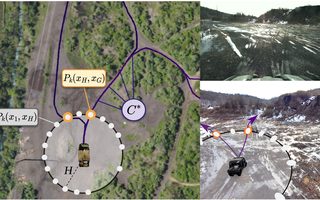
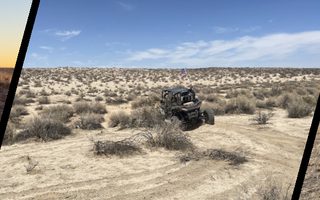
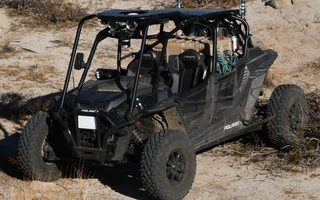
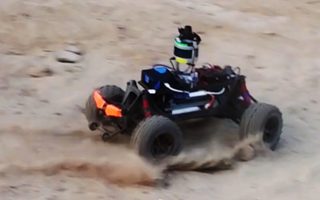
I was co-PI and chief engineer for JPL's RACER team, working with partners at Georgia Tech, MIT, Berkeley and NIWC. We taught vehicles to read rough terrain and drive fast through it, using learned traversability and risk-aware planning. IEEE Spectrum coverage
Team CoSTAR
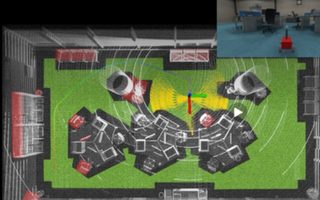
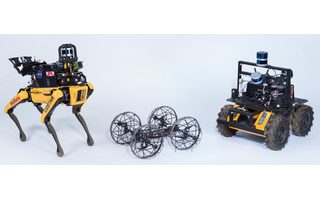
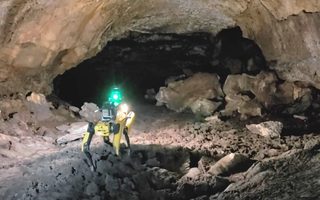
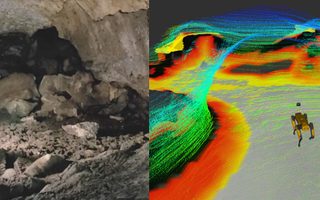
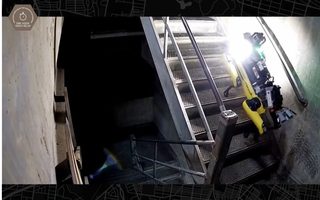
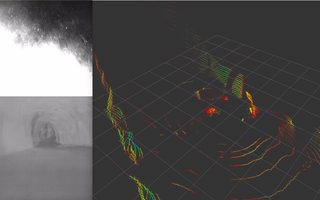
I was part of JPL's Team CoSTAR, winner of Phase II. Our legged and wheeled robots explored underground tunnels, mines and caves entirely on their own.
Safe robot planning and control
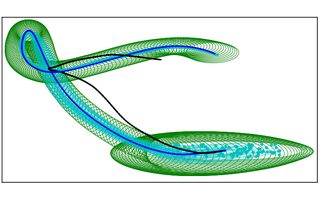
My thesis, Safe Robot Planning and Control Using Uncertainty-Aware Deep Learning, combined machine learning with classical control and planning so robots can be both capable and safe. It covers tube MPC, Bayesian adaptive control and risk-aware costmaps. Advised by Evangelos Theodorou, co-advised by Ali Agha.
Background
Selected papers
Patents
Talks & panels